健康与医疗是贯穿高考英语阅读理解、完形填空及书面表达的热门话题,涉及个人生活、社会议题乃至科技伦理等多个维度。精准掌握这30个核心词汇的用法,不仅能破解相关考题,更能使学生在论述健康生活方式、探讨公共卫生问题时表达精准、逻辑清晰。本文将从高考实战出发,深度解析这些词汇的语法网络与考查重点。
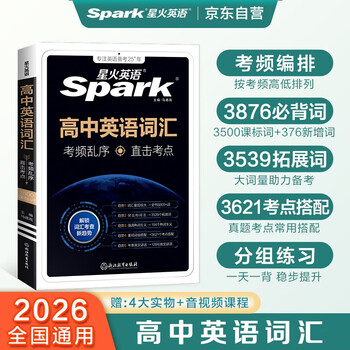
星火英语高中英语词汇考频乱序版高中一二三词汇必背新课标2026高考英语单词书高频短语真题知识手册大词量全国通用核心词汇
一、核心概念的抽象与具体:名词的可数性辨析
“健康”的多层次表达:
- health:健康(抽象总称,不可数名词)。
- Good health is above wealth.(健康胜过财富。)
- wellness:健康,尤指主动追求的整体健康状态(不可数)。
- a wellness program(健康促进项目)
- fitness:身体健康,健壮(不可数);也可指“适应性”。
- improve one’s physical fitness(改善身体健康状况)
- 高考考点:在泛指“健康”时均为不可数名词,前不加冠词a/an。
“疾病”的词义与用法梯度:
- illness:疾病(常指具体的病痛经历,可数或不可数)。
- recover from a serious illness(从一场重病中康复)
- disease:疾病(指具体的疾病种类,有明确病理,可数)。
- heart disease(心脏病), prevent infectious diseases(预防传染性疾病)
- injury:伤害,受伤(多指外力所致,可数)。
- suffer a serious injury(受重伤)
- 重要区分:illness 侧重主观感受和病期,disease 侧重客观诊断的病种。
二、医疗体系中的角色与场所:名词的冠词与介词搭配
医疗场所的介词使用:
- hospital/clinic:住院或就诊时,用介词 in。
- He is in hospital.(他在住院。)
- She is in the clinic for a check-up.(她在诊所体检。)(特指某诊所时加the)
- 但作为物理地点时,用 at。
- meet at the hospital entrance(在医院门口见面)
医疗人员的称谓与动词搭配:
- doctor/physician:医生。
- see/consult a doctor(看医生)
- nurse:护士。
- be cared for by a nurse(由护士照料)
- patient:病人。
- The patient is responding well to treatment.(病人对治疗反应良好。)
“治疗”与“治愈”的动词辨析:
- treat (v.) → treatment (n.):治疗(过程)。
- receive treatment for an illness(接受疾病治疗)
- cure (v./n.):治愈(结果)。
- The new drug can cure the disease.(这种新药能治愈该疾病。)
- There is no known cure.(尚无已知的治愈方法。)
- 核心区别:treat 强调过程,cure 强调结果。
三、健康维护与干预措施:动词搭配与固定短语
“药物”与“治疗”的用法:
- medicine:药,医学(不可数;指一种药时可数)。
- take medicine(服药),a medicine for colds(一种感冒药)
- medication:(更正式)药物治疗,药剂(可数或不可数)。
预防与康复的固定搭配:
- prevent (v.) → prevention (n.):预防。
- prevent diseases(预防疾病)
- 搭配:prevent sb. from doing sth.
- recover (v.) → recovery (n.):康复。
- recover from an illness(从疾病中康复)
- vaccination:疫苗接种。
- get a vaccination against flu(接种流感疫苗)
健康生活方式的动宾搭配:
- exercise (v./n.):锻炼。
- do/take exercise(进行锻炼)
- diet:日常饮食(可数或不可数),或指特种饮食。
- have a balanced diet(保持均衡饮食), go on a diet(节食)
- nutrition:营养(不可数)。
- the science of nutrition(营养科学)
- sleep/rest (v./n.):睡眠/休息。
- get enough sleep(获得充足睡眠), have a good rest(好好休息)
四、心理健康词汇:精确表达情绪状态
心理状态的名词与形容词:
- stress:压力(不可数)。
- under stress(处于压力下)
- anxiety:焦虑(不可数)。
- feelings of anxiety(焦虑感)
- depression:抑郁(症)(作为病症时可数)。
- suffer from depression(患有抑郁症)
- mental health:心理健康。
- pay attention to one’s mental health(关注心理健康)
- 高考注意:此类词多作不可数名词,描述普遍状态;特指一次经历时可加冠词。
五、高考题型实战策略
语法填空高频考点:
- 不可数名词:health, medicine (泛指), nutrition, stress。
- 固定搭配:recover from, prevent... from doing, in hospital。
- 词性转换:treat → treatment, prevent → prevention。
完形填空逻辑线索:
- 因果链:poor diet → illness → see a doctor → receive treatment → recover。
- 对比关系:physical health vs mental health; prevention vs cure。
- 问题解决:public health emergency → vaccination and first aid。
- 过程描述:check-up → diagnosis → treatment → recovery。
书面表达提分句型:
- 描述现象:Maintaining both physical and mental health has become a major concern for modern people, who often face tremendous stress.
- 提出建议:To prevent common diseases, we should adopt a healthy diet, engage in regular exercise, and ensure adequate sleep.
- 论述观点:While advanced medicine and treatment are crucial, cultivating a strong immune system through a healthy lifestyle is the most fundamental prevention.
读后续写健康场景应用:
- 描写生病:He felt a wave of weakness, a clear sign of coming illness.
- 描写治疗:The doctor in the clinic prescribed medicine and advised complete rest.
- 描写康复:Day by day, she followed the treatment plan, and slowly, strength began to recover.
六、易错点与近义辨析
diet vs nutrition:
- diet:指日常饮食内容或习惯。
- nutrition:指食物中的营养成分或营养学。
- 均衡饮食:a balanced diet(强调食物种类);良好的营养:good nutrition(强调营养要素)。
cure vs treat:
- cure:根治,治愈(强调消除疾病)。
- treat:治疗,处理(强调医疗过程)。
- 有些慢性病可以 treat(治疗控制),但难以 cure(根治)。
emergency vs urgency:
- emergency:突发紧急事件(如医疗急诊)。
- a medical emergency(医疗急症)
- urgency:紧迫性(状态)。
- a sense of urgency(紧迫感)
first aid:
- 急救(不可数名词)。
- administer first aid(实施急救)
- 作定语:a first-aid kit(急救箱)
【高考范文】A Holistic View on Modern Wellness
True health is more than the absence of illness; it is a state of complete wellness encompassing both physical and mental well-being. In our fast-paced world, maintaining this balance is a conscious effort, as we navigate threats from chronic diseases to daily stress.
Our physical health is foundational. It is protected not only by advanced medicine and prompt treatment when sick but, more importantly, by proactive prevention. This includes a balanced diet rich in nutrition, regular exercise to maintain fitness, sufficient sleep, and timely rest. A robust immune system is our first line of defense, fortified by healthy habits and vaccination. Knowing basic first aid can also be crucial in an emergency, helping to stabilize an injury before a doctor or nurse at a hospital or clinic can take over.
However, mental health is equally vital and often neglected. Chronic stress, anxiety, and even depression are prevalent, silently eroding our quality of life. Just as we go for a physical check-up, we must also attend to our psychological state. A healthy mind supports physical recovery and overall wellness. The goal of modern healthcare should be a cure for ailments where possible, but always an effective treatment and compassionate care for every patient.
Therefore, a holistic approach is essential. We must shift from a model focused solely on treating disease to one that actively promotes lifelong health. This means integrating physical care with mental support, valuing prevention as much as intervention, and recognizing that a pill of medicine is only part of the solution. True healing involves the body’s recovery, the mind’s peace, and the daily choices that build resilience. By embracing this comprehensive view of health, we empower ourselves not just to live longer, but to live fully and vibrantly.
高考模拟训练
语法填空:
- Regular physical __________ (active) and a nutritious __________ (diet) are key to preventing many __________ (ill).
- After the __________ (treat), the __________ (patient) needed plenty of __________ (rest) to fully __________ (recover) from the surgery.
完形填空:
The importance of mental __________ is gaining recognition. High levels of __________ can lead to __________, affecting one’s overall __________. Seeking help from a professional is as important as seeing a __________ for a physical __________.
- A. health B. fitness C. wellness D. disease
- A. stress B. anxiety C. depression D. rest
- A. illness B. health C. recovery D. immune system
- A. health B. treatment C. nutrition D. fitness
- A. doctor B. nurse C. patient D. clinic
- A. check-up B. injury C. cure D. vaccination
参考答案:
语法填空:1. activity, diet, illnesses 2. treatment, patient, rest, recover
完形填空:1. A 2. A 3. B 4. A 5. A 6. A