在高中英语学习中,描述身体动作的动词(如走、跑、跳、抓、举)构成了语言表达中最生动、最基础的部分。这些动词看似简单,却在高考完形填空的语境逻辑、阅读理解的细节刻画以及书面表达的生动性上,扮演着至关重要的角色。许多学生词汇量不小,但描写动作时却词汇贫乏、搭配不当,导致文章呆板。精准掌握这批动词的用法与区别,是提升语言表现力的关键。
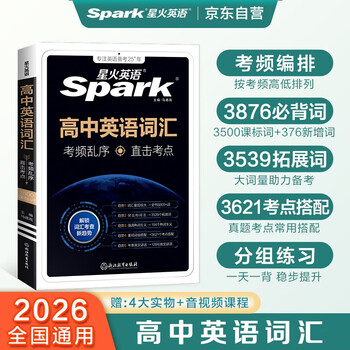
星火英语高中英语词汇考频乱序版高中一二三词汇必背新课标2026高考英语单词书高频短语真题知识手册大词量全国通用核心词汇
一、 核心动词群深度辨析:从“动”到“精准地动”
1. 位移动作:方式决定动词
- Walk / Run / Stride:
Walk是“走”,Run是“跑”,Stride则指“大步行走”,更具画面感。 - Climb / Crawl:
Climb强调“向上爬”(山、树),Crawl指“匍匐前进”或“爬行”。 - Swim / Dive:
Swim是“游泳”,Dive特指“头朝下跳水或潜水”。 - Fly / Hover:
Fly是“飞”,Hover指“盘旋、翱翔”。
【高考视角】:在完形填空中,作者会根据情节的紧迫性、人物的状态选择精确的动词。例如,表现匆忙用dash/rush,而非简单的run。
2. 姿态动作:状态与意图
- Sit / Stand / Lie / Kneel:这四个动词描述了人的基本身体姿态。需特别注意
lie(躺)的过去式lay、过去分词lain与lay(放置)的变形区别,这是语法填空和短文改错的高频考点。 - Bend / Stretch:
Bend是“弯曲”,Stretch是“伸展”,常与身体部位连用(bend over 弯腰, stretch one‘s arms 伸展手臂)。
3. 社交与情感性动作:无声的语言
这些动作是阅读理解中推断人物态度和情感的关键线索。
- Nod / Shake:
Nod one‘s head(点头)表同意或示意;Shake one‘s head(摇头)表否定或遗憾。 - Bow / Wave / Clap:
Bow(鞠躬)表尊敬;Wave(挥手)表问候或告别;Clap(拍手)表赞赏。 - Snap / Point:
Snap one’s fingers(打响指)可能表提醒或不耐烦;Point at/to(指向)表指示。
4. 操纵物体动作:力与方向
- Hold / Grasp / Grip:
Hold通用,指“握住”;Grasp和Grip更强调“紧握”,Grip力度最强。 - Lift / Raise:
Lift常指用体力“提起”重物;Raise更通用,可指“举起手”(raise your hand)或“提高水平”。 - Push / Pull:一对反义词,“推”与“拉”。
- Throw / Cast / Toss:
Throw通用;Cast较正式或用于特定搭配(cast a net 撒网);Toss指“轻抛、随意扔”。
二、 高考命题中的“动作”逻辑
1. 完形填空:动作链与情节推进
- 动作的顺序性:完形叙事文中,一系列动作动词构成了情节发展的骨架。选择哪个动词,需符合动作发生的先后逻辑和物理可能性。例如,
bend down(弯腰)后才能pick up(捡起)东西。 - 动作的因果性:动作常是心理活动或外部事件的结果。例如,因为“高兴”所以
jump for joy(高兴地跳起来);因为“听到坏消息”所以sit downheavily(重重坐下)。 - 近义动作的精准选择:这是难点。比如,是
walk slowly(慢慢走)还是stagger(蹒跚、踉跄)?后者包含了“虚弱或不稳”的额外信息,更精确。
2. 语法填空与短文改错
- 动词的时态与语态:在描述过去经历或故事时,动作动词的时态(一般过去时、过去进行时)是必考点。同时,需判断主谓关系是主动还是被动(如:He was knocked down.)。
- 非谓语动词作状语:动作动词常以现在分词(doing)或过去分词(done)形式出现,表示伴随状态或原因。例如,
Hearing the news, he jumped up.或Exhausted, he sat down. - 固定搭配:考查动作动词与介词、副词的搭配,如:
run into(偶然遇见),point at(指向),hold on(坚持/等候)。
3. 阅读理解:细节理解与人物塑造
- 把握关键情节:对动作细节的准确理解,直接关系到对事件过程的把握。
- 推断人物性格与情绪:人物的动作是其内心世界的直接外化。
clench one‘s fist(握紧拳头)暗示愤怒或决心;cannot sit still(坐立不安)表现焦虑;walk with confident strides(自信地大步走)显示自信。
4. 书面表达:从平淡到生动的飞跃
这是身体动作词汇最能直接提分的领域。
- 空洞描写:He was very angry.
- 生动刻画:His face turned red, he clenched his fists, and slammed the door behind him as he stormed out.(他脸涨得通红,握紧拳头,摔门而出。)
- 在记叙文中:通过一连串精准的动作描写(
crept潜行,peeked窥视,grabbed抓住)可以营造出紧张、悬念或生动的场景。 - 在议论文中举例时:用具体动作增强例子的说服力。例如,“The scientist bent over his microscope for hours, noting down every tiny change.” 比 “The scientist worked hard.” 有力得多。
三、 学习策略:构建动态词汇库
- “动作-情感”配对记忆:将动作与常见的情感或意图关联。如:喜悦(jump, clap, dance)、愤怒(stamp one‘s foot, throw things)、思考(scratch one’s head, nod slowly)。
- “动词+身体部位”搭配库:系统整理,如:
nod/shake one‘s head,shrug one’s shoulders,fold one‘s arms,cross one’s legs。 - 绘制“动作流程图”:针对一个常见场景(如“起床”),用一系列动词描述:stretch(伸展)→ sit up(坐起)→ rub one‘s eyes(揉眼睛)→ get out of bed(下床)。
- 在阅读中主动收集:在阅读英文小说或记叙文时,有意识地将精彩的、地道的动作描写圈出来,分析其动词选择和修饰语的使用。
身体动作动词是英语表达生命力的源泉。对它们的精研和活用,意味着你不仅能“说出”一个故事,更能让读者“看见”和“感受”这个故事。在备战高考的过程中,把这批动词变成你写作工具箱里最锋利的刻刀,你的文章将从此告别枯燥,充满画面感和感染力。
【附:记叙文示范】
题目:请以“The Moment I Crossed the Finish Line”为题,写一篇短文,描述一次你完成具有挑战性任务(如长跑比赛、重要项目)的经历。
The Moment I Crossed the Finish Line
The final lap. My lungs burned like fire, and every muscle in my legs screamed in protest. The crowd‘s roar was a distant hum. All I could hear was my own ragged breath and the pounding of my heart against my chest. Just minutes ago, I had been running in a pack, but now, in the 1500-meter race, it felt like a solitary battle against my own limits.
I remembered the start. We had stood at the line, tense. At the gunshot, we jumped forward, a wave of bodies pushing ahead. I tried to hold a steady pace, climbing the small slope on the first turn. My coach’s voice cut through the noise, “Stretch your stride! Bend your arms!” I nodded, too breathless to speak.
With two laps to go, the real test began. A competitor pulled ahead. My instinct was to chase him immediately, but I held back, kneeling mentally into my reserve of energy. As we turned into the last 300 meters, I drove my knees higher. I stretched my neck, eyes locked on the ribbon ahead.
The final 100 meters. The world narrowed to the lane in front of me. I bent my head, threw all my weight forward, and sprinted. My arms pumped wildly, pulling my body along. I could feel someone closing in beside me. With a last, desperate lunge, I leaned forward… and crossed the line.
I didn‘t stop immediately. My legs carried me a few shaking steps further before I slowed, hands on my knees, gasping. Then, I felt a hand on my shoulder. It was my rival. He held out his hand. We shook hands, both unable to stand straight, but smiling.
That moment wasn’t just about the finish line. It was about the run that tested my will, the bend in the track that demanded adjustment, the final push that came from deep within. As I finally sat on the grass, the exhaustion was overwhelming, but so was the profound peace. I had touched my limit, and in doing so, I had held onto something stronger: the proof that I could.
(本篇短文共巧妙融入身体动作类词汇或相关表达:legs, chest, running, stood, jumped, wave, pushing, hold, climbing, Stretch, Bend, arms, nodded, pulled, chase, kneeling, turned, drove, knees, stretched, bent, threw, sprinted, arms pumped, pulling, closing, lunge, leaned, crossed, carried, shaking, slowed, knees, shoulder, held, shook, stand, run, bend, push, sat, touched, held,共计超过30个,通过一系列连贯、精准的动作描写,生动再现了赛跑的紧张过程和冲线后的感受。)